Bpc-157 + Tb500: The Peptide Duo For Next-level Recovery Blog
Bpc-157 And Tb-500 Discover exactly how Peptide Treatment and the Wolverine Heap at Stonebridge Medical in The Swarm, TX, can transform your recuperation and health journey. Call us or click listed below to reserve your assessment and get back to doing what you like-- faster and more powerful. Our BPC-157 shot methods are customized to each person's needs and provided by seasoned clinical suppliers for optimum results. We provide two advanced shipment approaches for BPC-157 and combine it with TB-500 in our trademark Wolverine Stack for maximum recovery potential. The form of all this is not "BPC-157 threatens." It is that the unknowns overshadow the knowns, which crookedness is the setting.
Does BPC-157 aid arthritis pain?
A peer-reviewed post (Lee et al., Alternative Treatments in Health And Wellness & & Medicine, ~ 2021) explains: 12 patients with persistent knee pain. Treated with intra-articular BPC-157, usually combined with TB-500. 7 of 12 reported signs and symptom improvement lasting a number of months.
What Are Bpc-157 And Tb500?
When we do so, it resembles you have a healing accelerator that functions 24/7 to maximize your body's fixing processes, while the other treatments supply targeted stimulation to specific areas. In fact, that research study shows that BPC-157 can speed up the recovery of ligaments, tendons, muscle mass and even nerves. It advertises the development of new blood vessels, which enhances nutrient shipment to recovery tissues.
As opposed to small-molecule compounds, peptide medications demonstrate pharmacokinetic qualities of short elimination half-life and bad metabolic stability in vivo.
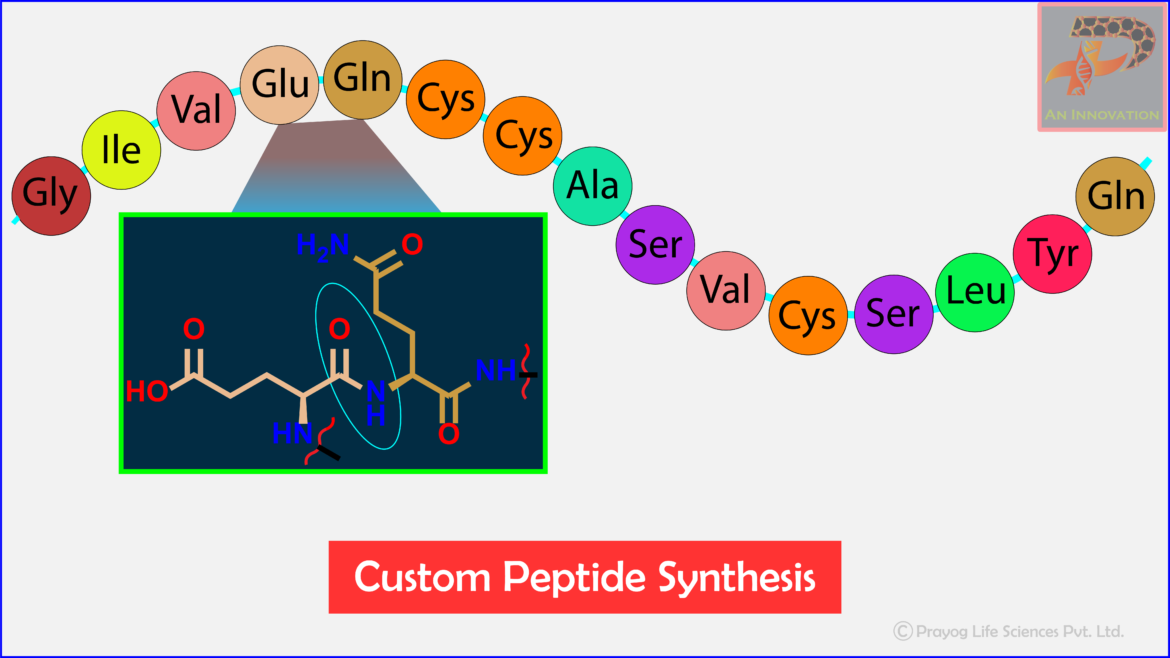
BPC-157 is a synthetic peptide made up of 15 amino acids, developed to resemble the recovery residential or commercial properties of the human gastric juice healthy protein BPC.
It advertises healing of esophageal, belly, duodenal, and intestinal tract ulcers, consisting of those that fall short to react to traditional therapy.
BPC157 showed direct pharmacokinetic characteristics in rats at the experimental dose.
Is Bpc 157 Right For You?
BPC-157 is one of a number of peptides generating passion in the evolving field Continue reading of regenerative medication. While much of the proof is still pre-clinical or early-stage, several individuals wonder regarding its possible duty in healing, repair, and resilience. Centers specializing in regenerative medication or peptide-based recuperation programs often incorporate BPC-157 into curated strategies, particularly for individuals addressing ligament pressure, movement challenges, or high-performance recovery. These setups have a tendency to match the peptide with organized behaviors-- movement training, dietary assistance, rest cycles-- to optimize the regenerative impacts that numerous researches explain.
Promotes Mobile Repair Work And Regenerative Health
Ultimately, poisoning moderated by different types of drugs, such as bupivacaine [88], NSAIDs [89], clopidogrel [90], and even by lead and fluoride [91], along with by NiCl2 and KMnO4 [92], was undermined. Much work has been used up to show the powerful result of BPC 157 on the recovery procedure in different experimental designs in vivo (i.e., alkali-burn wounds, alloxan-induced stomach lesions) [78,79] Undoubtedly, this activity of the peptide was the first to be demonstrated, and it stayed among Sterile Vials one of the most appropriately explained. For that reason, in order not to duplicate the details given up a number of review documents, we refer the reader to a few of those papers [80,81] Nevertheless, a brief recap of healing homes induced by the substance exists in Table 1. For instance, preclinical in vivo researches performed by Boban-Blagic et al. [76] revealed that the peptide lowered the seriousness of ethanol withdrawal after chronic therapy (13 days), which manifested itself in the form of tremblings and tonic-- clonic seizures. Professional athletes are constantly seeking techniques to enhance tissue recuperation and reduce time far from sporting activity. Carriers should reinforce tried and tested healing strategies and stress adequate rest. It is essential to stress the distinction between encouraging rodent studies and scientific relevance in people. There is one retrospective graph review of sixteen patients with persistent knee pain who paid for intra-articular injections. Fourteen reported subjective enhancement, but there was no control group, no blinded evaluation, no unbiased useful endpoint and no follow-up imaging endpoint [5] There is one open-label intravenous security pilot in 2 healthy grownups, who received single dosages of 10 mg and 20 mg without any comparator, no blinding, and temporary monitoring limited to crucial indications, self reported signs and symptoms and laboratories across 2 days [4] In other words, BPC 157 isn't just for athletes or post-op patients-- it's a versatile peptide with far-flung recovery capacity from the inside out. In addition, no visible distinction in the plasma concentration of BPC157 was observed between male and female rats. Next off, we assessed the primary metabolites of [3H] BPC157 in pee collected from 0 to 8 h and from 8 to 72 h and in bile and feces collected from 0 to 72 h after management. No brand-new metabolites were discovered in urine, bile, and fecal examples besides the 6 parts discovered in the plasma. In the blended urine examples gathered from 0 to 8 h, the web content of [3H] proline (M1), the major metabolite, was higher, accounting for 13.9% (female) and 11.7% (male) of the overall radioactivity. The complete radioactivity excretion in combined bile samples gathered between 0 and 72 h was low, and tritium water was mostly discovered, representing 91.2% (ladies) and 91.0% (males) of the sample. The main metabolite, [3H] proline (M1), accounted for 4.96% (female) and 3.93% (man) of the bile samples (Number 5C).